Imagining control is an addiction for me the way alcohol or drugs are for other people. It enables me to enter an alternate reality where things work the way I want. I spend a lot of time thinking about how people should change their behavior when it comes to the environment, especially. This person should drive a less polluting car or donate more of their money to charity. Another could volunteer, compost, or eat less meat. I brainstorm hypothetical scenarios and imagine ways to convince others to start or stop doing something. There’s a personal price to pay for this illusion, but it’s more subtle than the immediate sense of satisfaction that I’m accomplishing something good and righteous. My ego gets to dine, and I’ll pay the bill afterwards, thank you very much.
The illusion of control is compelling even though I know the truth: focusing on others’ actions is a sly way to avoid the harder thing — looking at your own actions and making sure they line up with your values.
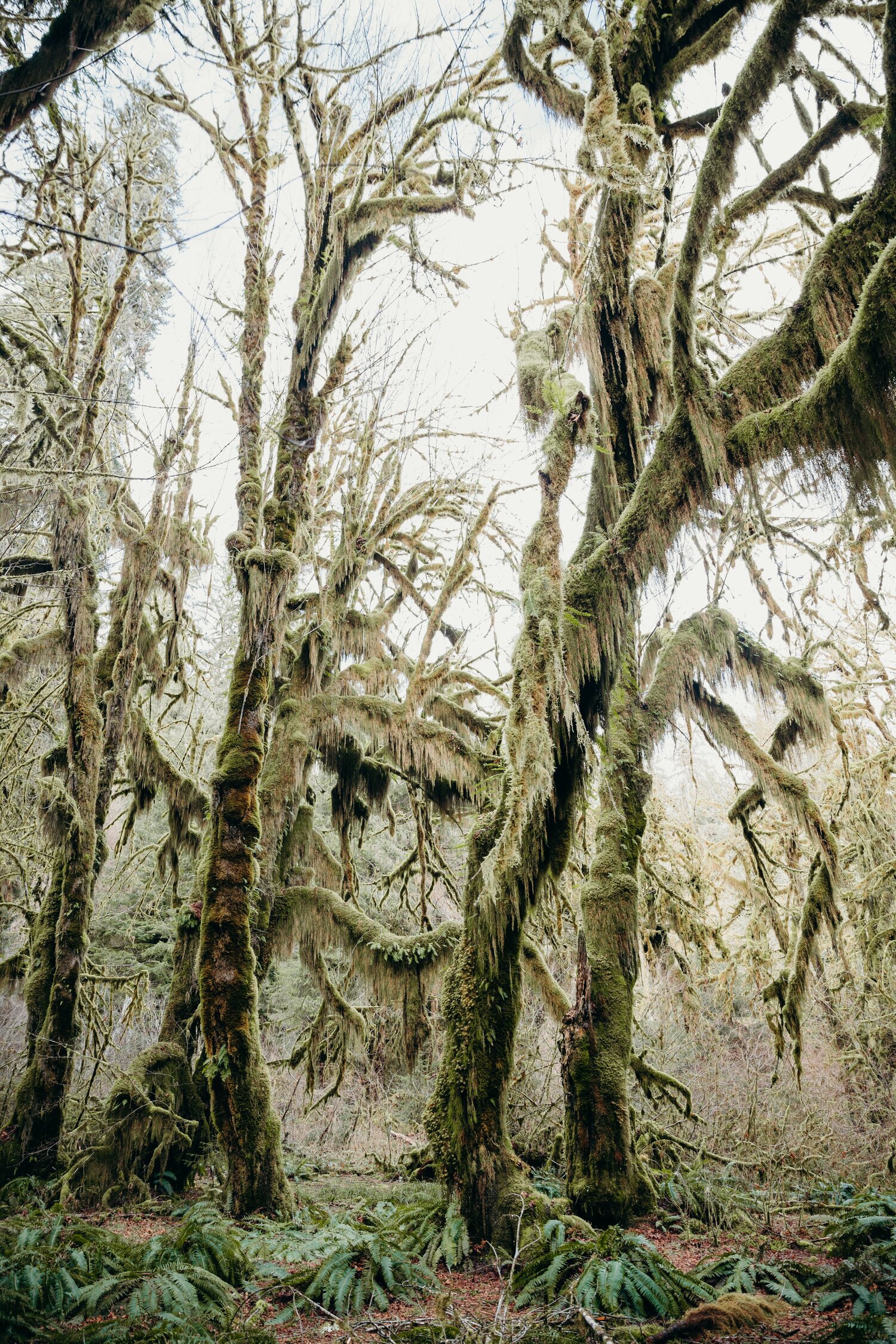
This truth was delivered to me in an unsavory way earlier this year. In August my fiancé and I went to Olympic National Park to camp for four nights. A special, unique corner of the Northwest, the park encompasses multiple ecosystems and I was especially excited to see the old growth forest. I was looking forward to relaxation in nature, but we got the opposite. Camping next to us was a family which seemed harmless at first, but quickly became a source of stress and anger. Two parents and two kids, they were unexpectedly rowdy and disrespectful, and generated lots of yelling, swearing, and violent language. In the evening, alcohol magnified the behavior, and the family continued arguing and shouting late into the night. I was appalled and disturbed, and felt sad for the children being raised with this communication. My body was thoroughly overtaken by anxiety and anger. I felt robbed of a few peaceful, socially-distanced nights in nature and a trip I had been looking forward to for months. The next day, the campers lit a huge campfire and left it to go get food. In the Northwest, we are very familiar with wildfires and their devastating impacts. You don’t leave a campfire to burn unattended. I informed the local ranger, and he came and put out the fire but didn’t issue a fine. This made me feel even more indignant.
I am sad to say that my few days at this beautiful location were significantly impacted by these people. I couldn’t channel my inner Zen and ignore them, or wish them lovingkindness. I was angry and perplexed, and pissed off that I had to endure what I considered wrong behavior. I realize a lot of this sounds very self-focused, and that is how it felt to me too, yet I couldn’t get myself into a better, more expansive headspace.
I processed this issue with a close mentor after we got home. He reminded me that when you feel angry or offended, it usually means your values are being challenged. He encouraged me to dig into myself and find something that I might have had in common with this family. Fun was what we landed on. I liked to have fun, and my idea of fun was relaxing and listening to the frogs. Their idea of fun was throwing a party in the woods and practicing pyrotechnics. I may not agree with them, but I couldn’t challenge what was true — their value of fun. By itself, this simple exercise helps to de-fuse judgment and anger and makes living with the whole mess of humanity on this Earth a lot easier.
My mentor shared another profound lesson that I try to use whenever I feel at odds with people:
The universe will deliver lessons to people in the exact way they need to receive them, at the exact right time.
You may not be the right teacher for a lesson. You may not know how to deliver the message in the right way; you may not pick the right time. Taking it upon yourself to correct an action may make someone behave aggressively. If I had tried to control the campers’ behavior I might have brought more hurt upon myself in the form of a few spare swear words or a burning log thrown at my tent. One of the parents could have slapped their kid, who could have kicked the dog. At best, I could have spared them a lesson they’d be more likely to heed further down the road.
There are other forces and other teachers out there. Let them work their magic.

I don’t subscribe to a spiritual system which teaches that justice will prevail in the end, or that karma ultimately evens out the score. I take the above lesson to be a metaphor or guiding light. If I can believe 10% of the idea I am closer to peace, kindness, and gentleness towards self and others. And I have no doubts about the value of those states; I feel their immediate positive impact on me and whomever I interact with.
Control and judgement don’t allow for forward progress. They’re zero sum games with a winner and loser. Compassion towards self and others is the opposite. It sows expansiveness, flexibility, and creativity — forces that are generative, not destructive. Here, a path to future growth is opened up. This is the only way we really learn.
Setting aside my inner enforcer allows me to tune in to the real drivers of my anger and judgment: fear and helplessness. My brain says that if I don’t take care of this scary situation, no one will, and someone will end up getting hurt. This fear goes wide and deep, because there is no limit to the uncertainty, brutality, and injustice inherent in existence. My reactions serve as powerful indicators of what is important to me, helping reaffirm my core values: responsibility, conscientiousness, compassion, independence & interdependence, beauty, spirituality, and respect. Getting intimate with our core values helps fortify our foundation of self, and clarify if we are in alignment with who we want to be. They are the North Star that enables us to make better choices. Using difficult situations to illuminate our values helps reduce shame and frustration around our own and others’ behavior. We channel our energy towards growth instead.
“Analyses of other human beings are tragic expressions of our own values and needs. They are tragic because when we express our values and needs in this form, we increase defensiveness and resistance among the very people whose behaviors are of concern to us.”
— Marshall B. Rosenberg, Nonviolent Communication
I find the above lessons deeply related to eco-grief and eco-anxiety. Steering away from a path of judgment and consciously looking for shared values with other humans is a pragmatic strategy that makes it easier to tolerate challenging behaviors. Likewise, learning to let go of the urge to control and instead trust the universe to deliver its lessons is key to managing my own state. When I read about Trump opening up the Arctic National Wildlife Refuge to oil and gas development, I am filled with a sadness that sways to and fro like a large ocean inside me. I wish so badly I could prevent this from happening, but I must face my inability to control what others do, for my own health. Setting the intention to find wisdom through challenges frees me up to take care of myself and focus my power where it can work wonders.
 Ecological Morning
Leave a comment